The 3 Greatest Moments In Cleaning Robot Mop And Vacuum History
페이지 정보

작성자 Aundrea
조회 8회 작성일 24-02-21 16:39
조회 8회 작성일 24-02-21 16:39
본문
How to Take Care of a Robot Mop and Vacuum
A robot vacuum and mop can save you lots of time cleaning. They also require regular maintenance, such as emptying the dustbins and washing the disposable cleaning pads in line with the instructions of the manufacturer or removing the disposable ones and maintaining the sensors clean.
App integration allows you to set power and schedules and save maps and change settings.
1. Clean the Dirt Bin
The majority of robot vacuum cleaners require regular maintenance, including emptying the dirt bins, washing pads and keeping track of consumables that need to be replaced. The better you take care of these components, the longer they'll last. Some cleaning robots require a little extra care particularly those with water tanks.
Firstly, empty the dirty dustbin completely following each cleaning session. This is among the most basic tasks you could do, but it is essential to the efficient operation of your robot. You should also keep your filter clean regularly. Check the user manual to determine how and when you should clean your filters.
Even though the mopping function on your robot can remove lots of dust but a few tiny particles will still be accumulating in the gaps and cracks of your flooring. These include skin and hair particles, dandruff, mites, dirt and pet hair. To prevent these particles from causing health issues, it is important to regularly employ the vacuum cleaner or sweep robot to clean these areas.
If you plan to use your robotic mop, it is important to choose one that comes with high-quality hardware and large water and dust tanks. LEGEE is one of the largest dust bins as well as a water tank among its competitors. This means you won't have to stop cleaning to refill the tank.
Do not add vinegar or floor cleaners into the tank of water in your robot mop unless have been instructed to do so by the manufacturer. These substances could damage the robot and may end the warranty.
A robot vacuum and mop is an excellent method to reduce your time so you can focus on more important things like your family or work. Some stains and dirt are too stubborn for the robot to handle. It is also recommended to use a traditional vacuum to clean areas your robot cannot reach.
2. The cleaning robot Mop and vacuum Pads
Depending on the way you use your robot mop, the pads may be stained or dirty. This is why it's crucial to clean the pads for cleaning regularly. This can be accomplished by throwing them in the washing machine along with regular loads of laundry or hand-washing them. Avoid using fabric softener or dryer sheets, as these can reduce the absorbency of the pad and cause it to not function effectively.
If your robot mop is also a vacuum cleaner, then you must empty and clean its dust bin periodically. Hybrid models that vacuum as well as sweep with dry mops are also affected. Many robot mops come with brush attachments that need to be washed.
It is important to rinse the mop pads thoroughly to remove any dirt and grime. You can also soak the pads in warm water to get rid of any debris that has remained. After they're clean and dry, you can let them dry on the air or use a low heat setting in the dryer. It is recommended to wash your pads every 2 to 3 months.
During the cleaning cycle mops and vacuums could pick up small particles which could harm the sensors of your robot. To avoid this happening, you'll need occasionally wipe the sensors with a clean microfiber cloth. This will allow the robot to see its way through the room without crashing into furniture and walls.
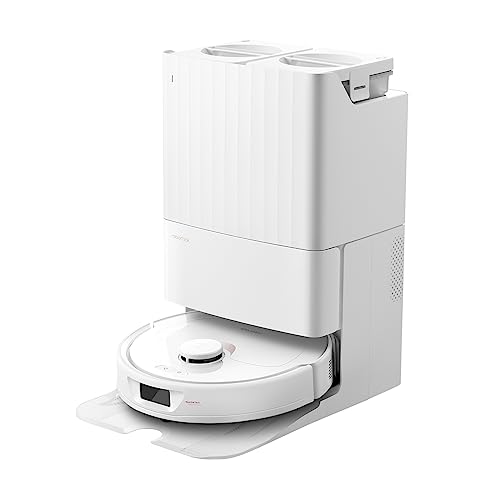 Sensors at the base of most robot vacuums and mop are used to detect obstacles, making sure that the machine does not get stuck in tight spaces. They can get clogged by dust and other particles which is why you'll have to clean them frequently.
Some robot vacuums come with an automatic cleaning cycle that you can run after each use. You can visit the manufacturer's site to see whether this feature is available on your model. This cycle will typically take about two to three minutes and can be run through an app or a button on the robot. A cleaning robot vacuum and mop should be running this cycle on a regular basis to ensure the efficiency of its sensors as well as other components.
3. Cleaning the Charging Station
Most robot mops spray water or cleaning solution directly onto the floor to soften stains and then scrub them away with a scrubbing pad. Some use disposable mop pads as well as others that are designed to be washed and reused. Whether you choose disposable or reusable mop pads, it's important to empty and wash them between cleaning sessions in accordance with the instructions of the manufacturer. It's recommended to drain and let the mop base or docking station dry between uses, too, to prevent the growth of mildew.
Like vacuum cleaners, robot mop and vacuum/mop combos need regular maintenance to keep them running smoothly. This includes emptying and washing the dust bins, and cleaning the sensors. If your mop comes with dirt detectors it may be necessary clean it gently every couple of cycles to remove dust. This could block the sensors, causing problems with navigation.
Many robot mops have a smart app that lets you save your home's maps, set cleaning schedules and even track when the machine needs maintenance. If you are looking to purchase a mop, make sure it can connect to Wi-Fi. This allows you to access the app from any place.
The Samsung Powerbot Vac + Mop is a top-rated model and has smart features to assist in cleaning floors without you being home. The map function allows you to create virtual boundaries and no-go zones for the robot. You can also use it to manually direct it to clean a specific area. Its vacuum and mop capabilities work on carpeting as well as hard floors, making it a good option for homes that have both.
This robot is also equipped with a smart object avoidance sensor that helps it navigate around objects like furniture. It also comes with self-emptying bins that reduce the amount that must be cleaned after each use. It can also be programmed to run while you're away, which is great for busy homeowners. It's also quieter than other vacuums, which could be a plus for those who live with pets or children that are sensitive to noise.
4. Clean the Sensors
The majority of robot vacuums as well as mop-and-vacuum combination models come with an app that lets you create automated cleaning schedules, set cleaning modes, and track when the device requires maintenance. The app allows you to manually clean and stop, start and alter your robot's settings from anyplace within the home.
The app is especially useful when your robotic cleaner comes with maps features, such as lasers, cameras, or optical dToF, which allow it to save a virtual map of the room as well as navigate around furniture. These features can decrease the frequency of recurring staining on your floors and make your cleaning chores less time-consuming.
When your robot's mapping sensors get dirty, the device may have trouble navigating throughout your home. It's important to clean the sensors on a regular basis similar to cleaning a camera lens or smartphone screen. The best method to do this is by using a clean, dry cloth. If you use a moist cloth or cleaner, you could damage the sensors, causing them to malfunction.
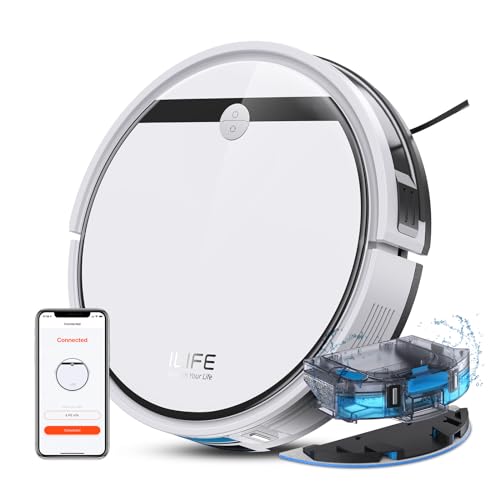 It's also a good idea for you to clean your shark ai robot vacuum's vacuum brushes on a regular basis. This will help prevent hair tangles and clogging of the motor. It also makes it easier for your robot vacuum to clean up dirt. It's also recommended to wipe down the primary brush roll because it's responsible for picking up dirt and will build up a lot of dust over the course of time.
Lastly, be sure to only use the cleaners suggested by the manufacturer of your robot. Using other floor cleaners could harm the machine and void your warranty. Most brands recommend a mixture of vinegar and water, or a cleaning solution that has been formulated specifically for their robot. Avoid using hot water or abrasive solutions, as these can damage the internal components of your robot cleaner and leave a mess on your floor. If you have questions, consult your owner's manual for specific instructions on how to clean your robot cleaner. This will ensure that it functions efficiently and lasts for longer.
A robot vacuum and mop can save you lots of time cleaning. They also require regular maintenance, such as emptying the dustbins and washing the disposable cleaning pads in line with the instructions of the manufacturer or removing the disposable ones and maintaining the sensors clean.
App integration allows you to set power and schedules and save maps and change settings.
1. Clean the Dirt Bin
The majority of robot vacuum cleaners require regular maintenance, including emptying the dirt bins, washing pads and keeping track of consumables that need to be replaced. The better you take care of these components, the longer they'll last. Some cleaning robots require a little extra care particularly those with water tanks.
Firstly, empty the dirty dustbin completely following each cleaning session. This is among the most basic tasks you could do, but it is essential to the efficient operation of your robot. You should also keep your filter clean regularly. Check the user manual to determine how and when you should clean your filters.
Even though the mopping function on your robot can remove lots of dust but a few tiny particles will still be accumulating in the gaps and cracks of your flooring. These include skin and hair particles, dandruff, mites, dirt and pet hair. To prevent these particles from causing health issues, it is important to regularly employ the vacuum cleaner or sweep robot to clean these areas.
If you plan to use your robotic mop, it is important to choose one that comes with high-quality hardware and large water and dust tanks. LEGEE is one of the largest dust bins as well as a water tank among its competitors. This means you won't have to stop cleaning to refill the tank.
Do not add vinegar or floor cleaners into the tank of water in your robot mop unless have been instructed to do so by the manufacturer. These substances could damage the robot and may end the warranty.
A robot vacuum and mop is an excellent method to reduce your time so you can focus on more important things like your family or work. Some stains and dirt are too stubborn for the robot to handle. It is also recommended to use a traditional vacuum to clean areas your robot cannot reach.
2. The cleaning robot Mop and vacuum Pads
Depending on the way you use your robot mop, the pads may be stained or dirty. This is why it's crucial to clean the pads for cleaning regularly. This can be accomplished by throwing them in the washing machine along with regular loads of laundry or hand-washing them. Avoid using fabric softener or dryer sheets, as these can reduce the absorbency of the pad and cause it to not function effectively.
If your robot mop is also a vacuum cleaner, then you must empty and clean its dust bin periodically. Hybrid models that vacuum as well as sweep with dry mops are also affected. Many robot mops come with brush attachments that need to be washed.
It is important to rinse the mop pads thoroughly to remove any dirt and grime. You can also soak the pads in warm water to get rid of any debris that has remained. After they're clean and dry, you can let them dry on the air or use a low heat setting in the dryer. It is recommended to wash your pads every 2 to 3 months.
During the cleaning cycle mops and vacuums could pick up small particles which could harm the sensors of your robot. To avoid this happening, you'll need occasionally wipe the sensors with a clean microfiber cloth. This will allow the robot to see its way through the room without crashing into furniture and walls.
Sensors at the base of most robot vacuums and mop are used to detect obstacles, making sure that the machine does not get stuck in tight spaces. They can get clogged by dust and other particles which is why you'll have to clean them frequently.Some robot vacuums come with an automatic cleaning cycle that you can run after each use. You can visit the manufacturer's site to see whether this feature is available on your model. This cycle will typically take about two to three minutes and can be run through an app or a button on the robot. A cleaning robot vacuum and mop should be running this cycle on a regular basis to ensure the efficiency of its sensors as well as other components.
3. Cleaning the Charging Station
Most robot mops spray water or cleaning solution directly onto the floor to soften stains and then scrub them away with a scrubbing pad. Some use disposable mop pads as well as others that are designed to be washed and reused. Whether you choose disposable or reusable mop pads, it's important to empty and wash them between cleaning sessions in accordance with the instructions of the manufacturer. It's recommended to drain and let the mop base or docking station dry between uses, too, to prevent the growth of mildew.
Like vacuum cleaners, robot mop and vacuum/mop combos need regular maintenance to keep them running smoothly. This includes emptying and washing the dust bins, and cleaning the sensors. If your mop comes with dirt detectors it may be necessary clean it gently every couple of cycles to remove dust. This could block the sensors, causing problems with navigation.
Many robot mops have a smart app that lets you save your home's maps, set cleaning schedules and even track when the machine needs maintenance. If you are looking to purchase a mop, make sure it can connect to Wi-Fi. This allows you to access the app from any place.
The Samsung Powerbot Vac + Mop is a top-rated model and has smart features to assist in cleaning floors without you being home. The map function allows you to create virtual boundaries and no-go zones for the robot. You can also use it to manually direct it to clean a specific area. Its vacuum and mop capabilities work on carpeting as well as hard floors, making it a good option for homes that have both.
This robot is also equipped with a smart object avoidance sensor that helps it navigate around objects like furniture. It also comes with self-emptying bins that reduce the amount that must be cleaned after each use. It can also be programmed to run while you're away, which is great for busy homeowners. It's also quieter than other vacuums, which could be a plus for those who live with pets or children that are sensitive to noise.
4. Clean the Sensors
The majority of robot vacuums as well as mop-and-vacuum combination models come with an app that lets you create automated cleaning schedules, set cleaning modes, and track when the device requires maintenance. The app allows you to manually clean and stop, start and alter your robot's settings from anyplace within the home.
The app is especially useful when your robotic cleaner comes with maps features, such as lasers, cameras, or optical dToF, which allow it to save a virtual map of the room as well as navigate around furniture. These features can decrease the frequency of recurring staining on your floors and make your cleaning chores less time-consuming.
When your robot's mapping sensors get dirty, the device may have trouble navigating throughout your home. It's important to clean the sensors on a regular basis similar to cleaning a camera lens or smartphone screen. The best method to do this is by using a clean, dry cloth. If you use a moist cloth or cleaner, you could damage the sensors, causing them to malfunction.
It's also a good idea for you to clean your shark ai robot vacuum's vacuum brushes on a regular basis. This will help prevent hair tangles and clogging of the motor. It also makes it easier for your robot vacuum to clean up dirt. It's also recommended to wipe down the primary brush roll because it's responsible for picking up dirt and will build up a lot of dust over the course of time.Lastly, be sure to only use the cleaners suggested by the manufacturer of your robot. Using other floor cleaners could harm the machine and void your warranty. Most brands recommend a mixture of vinegar and water, or a cleaning solution that has been formulated specifically for their robot. Avoid using hot water or abrasive solutions, as these can damage the internal components of your robot cleaner and leave a mess on your floor. If you have questions, consult your owner's manual for specific instructions on how to clean your robot cleaner. This will ensure that it functions efficiently and lasts for longer.
- 이전글The Reason D8 Carts For Sale Is So Beneficial For COVID-19 24.02.21
- 다음글Could Anal Plugs Be The Key To 2023's Resolving? 24.02.21
댓글목록
등록된 댓글이 없습니다.